„When you talk, you are only repeating what you already know. But if you listen, you may learn something new.“- Dalai Lama
This quote sums up what is often neglected in everyday work life: genuine listening.
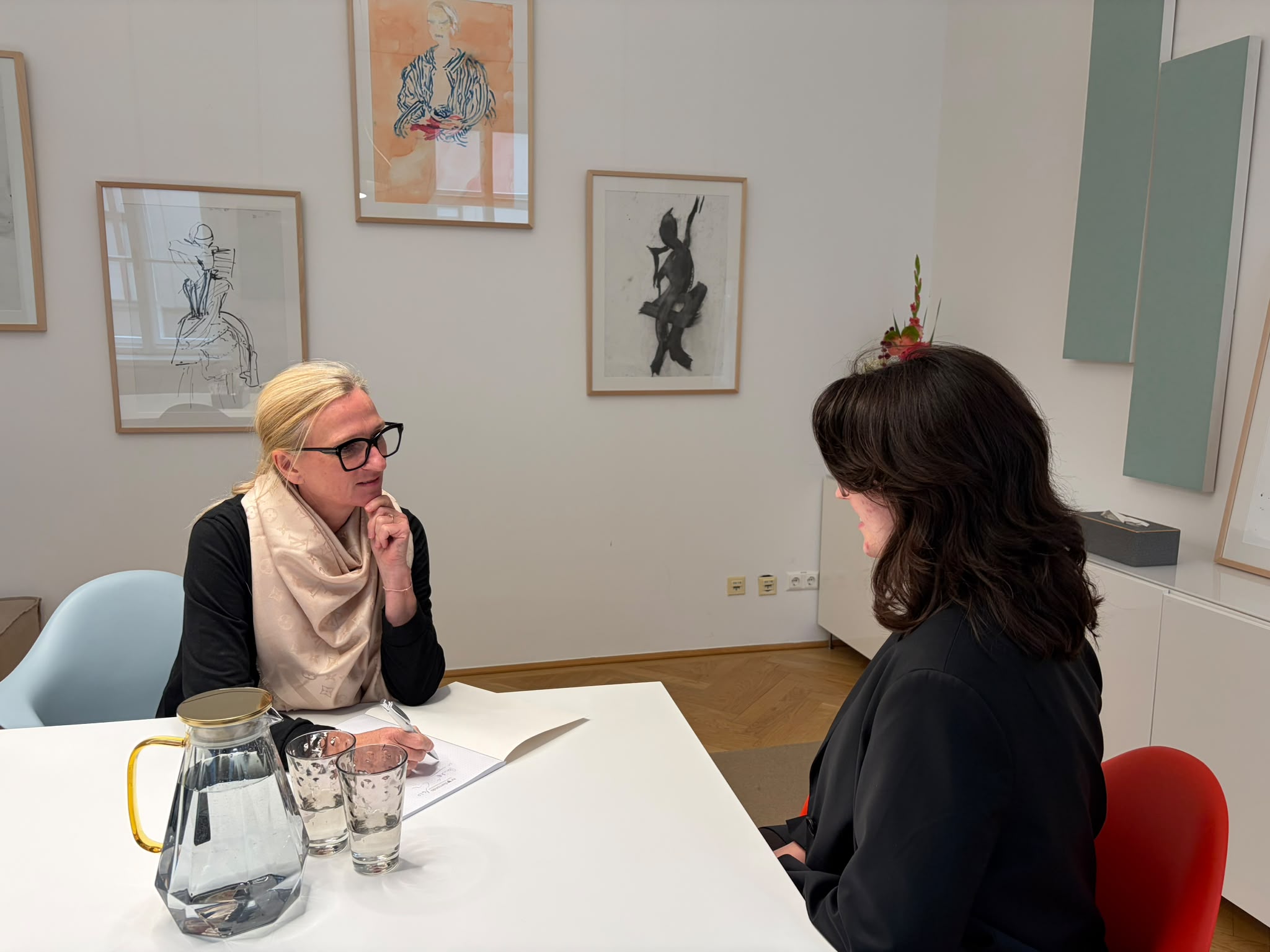
After all, listening doesn’t just mean staying silent while the other person speaks. Active listening means wanting to understand, not just to respond.
The model developed by Carl Rogers shows how this can be achieved: by asking follow-up questions, paraphrasing, and summarizing. By addressing points that aren’t clear, verbalizing perceived emotions, and giving the other person the opportunity to add to or correct what’s been said.
But it also involves being able to handle pauses, consciously noticing nonverbal cues, and asking clarifying and probing questions.
What matters most is not just the technique, but above all the attitude behind it.
Active listening requires empathy, openness, and genuine interest. It requires an approachable posture, eye contact, and the necessary composure—even when faced with criticism or accusations.
Active listening is therefore a key skill, especially for leaders. After all, those who truly listen build trust, recognize needs earlier, and facilitate open dialogue.
This is exactly where our work at hrdiamonds comes in: In our leadership development programs, we help leaders specifically strengthen their communication skills and embed active listening as a key competency for effective leadership.
After all, sustainable leadership doesn’t come from more answers, but from better questions, genuine interest, and the ability to truly understand people.
Sometimes, good leadership doesn’t start with the right answer, but with the willingness to listen attentively.