We all started the year full of energy.
And then suddenly: our calendars are full. Kick-offs. Regular meetings. Project updates. Strategy meetings.
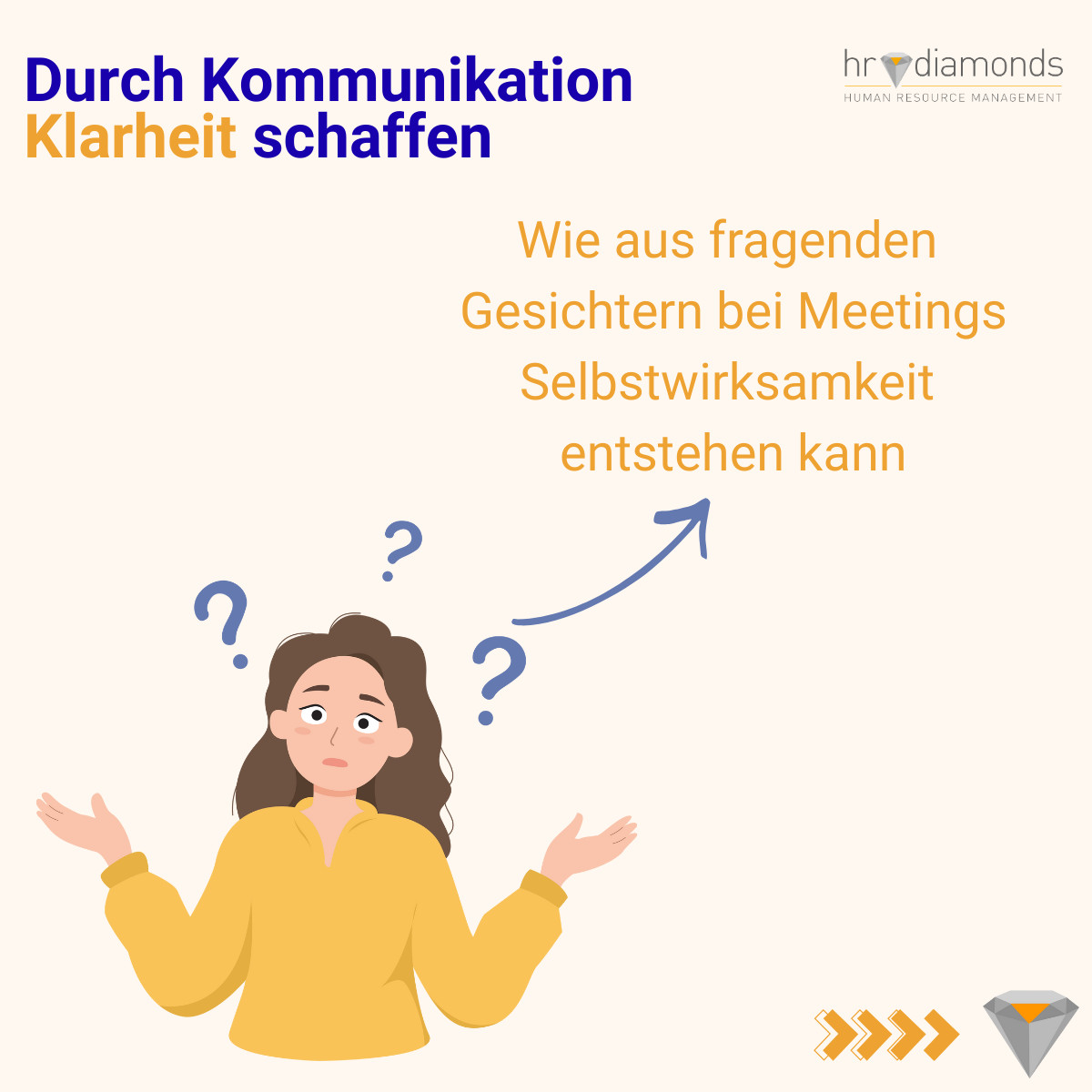
And yet sometimes you see this look on people's faces in the room:
“What's this all about... and what exactly am I supposed to do now?”
How questioning faces in meetings can lead to self-efficacy.
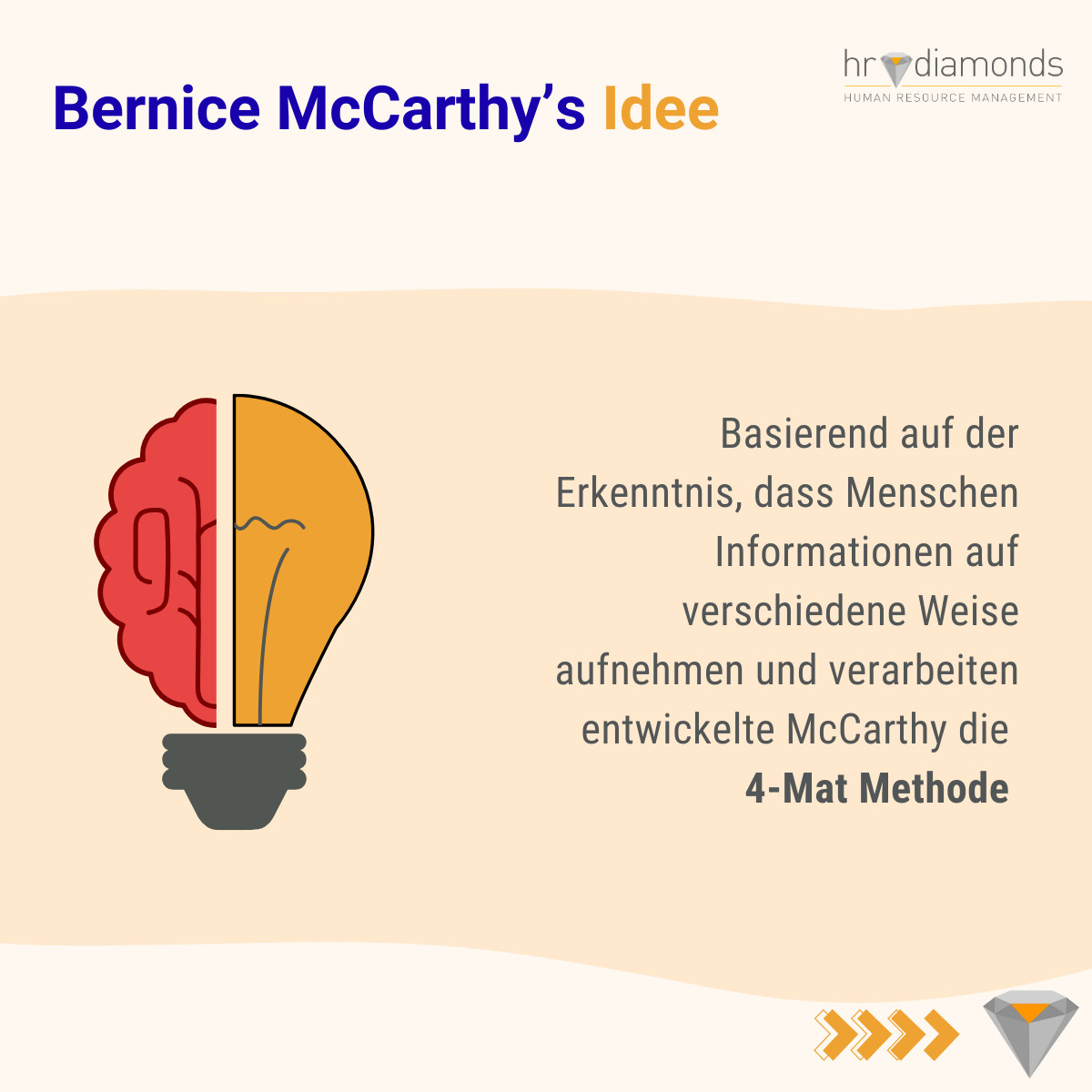
This is exactly why we like to use Bernice McCarthy's 4-Mat model .
The idea: people process information differently and therefore need fferent approachesto get on board.
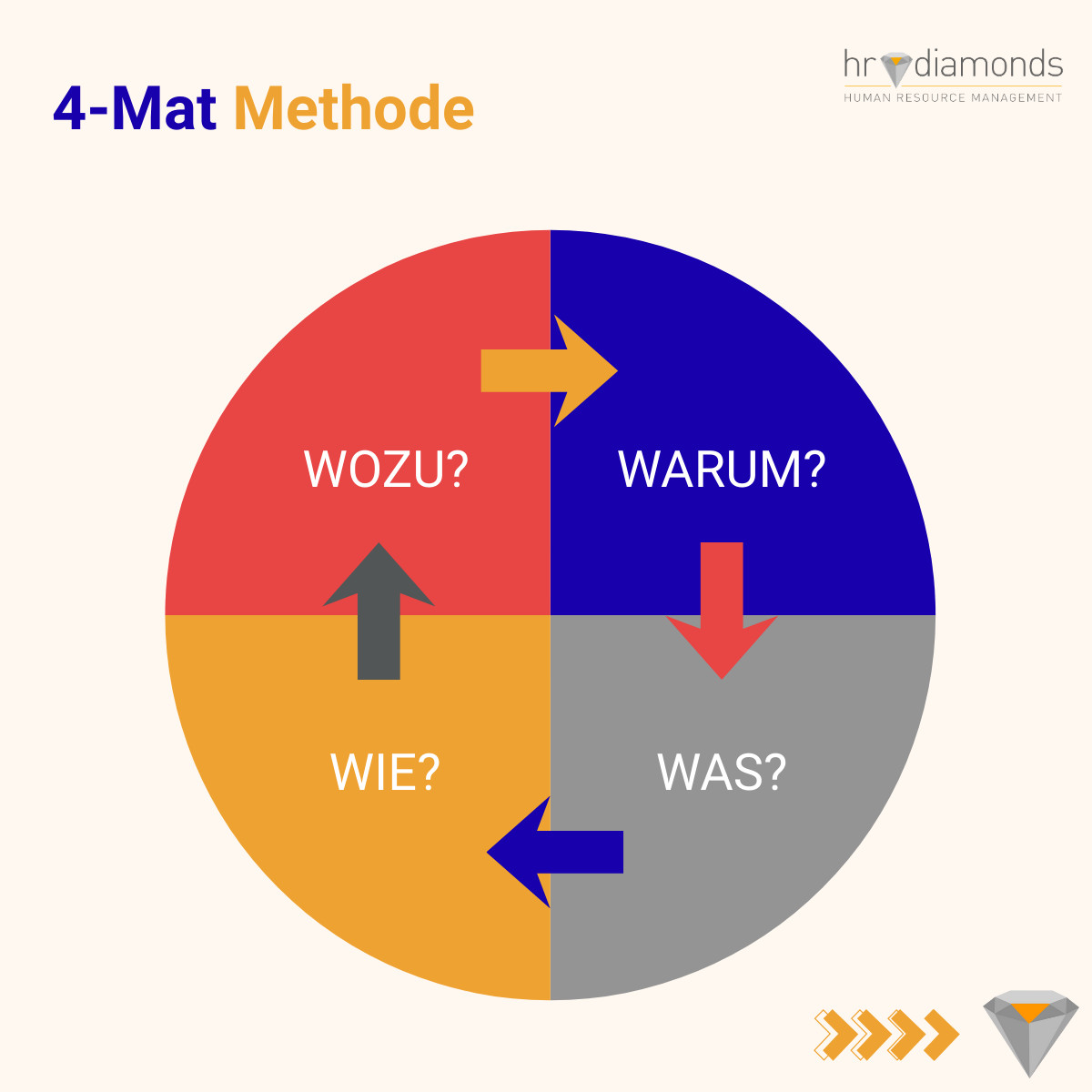
The 4 questions that should be answered in (almost) every meeting:
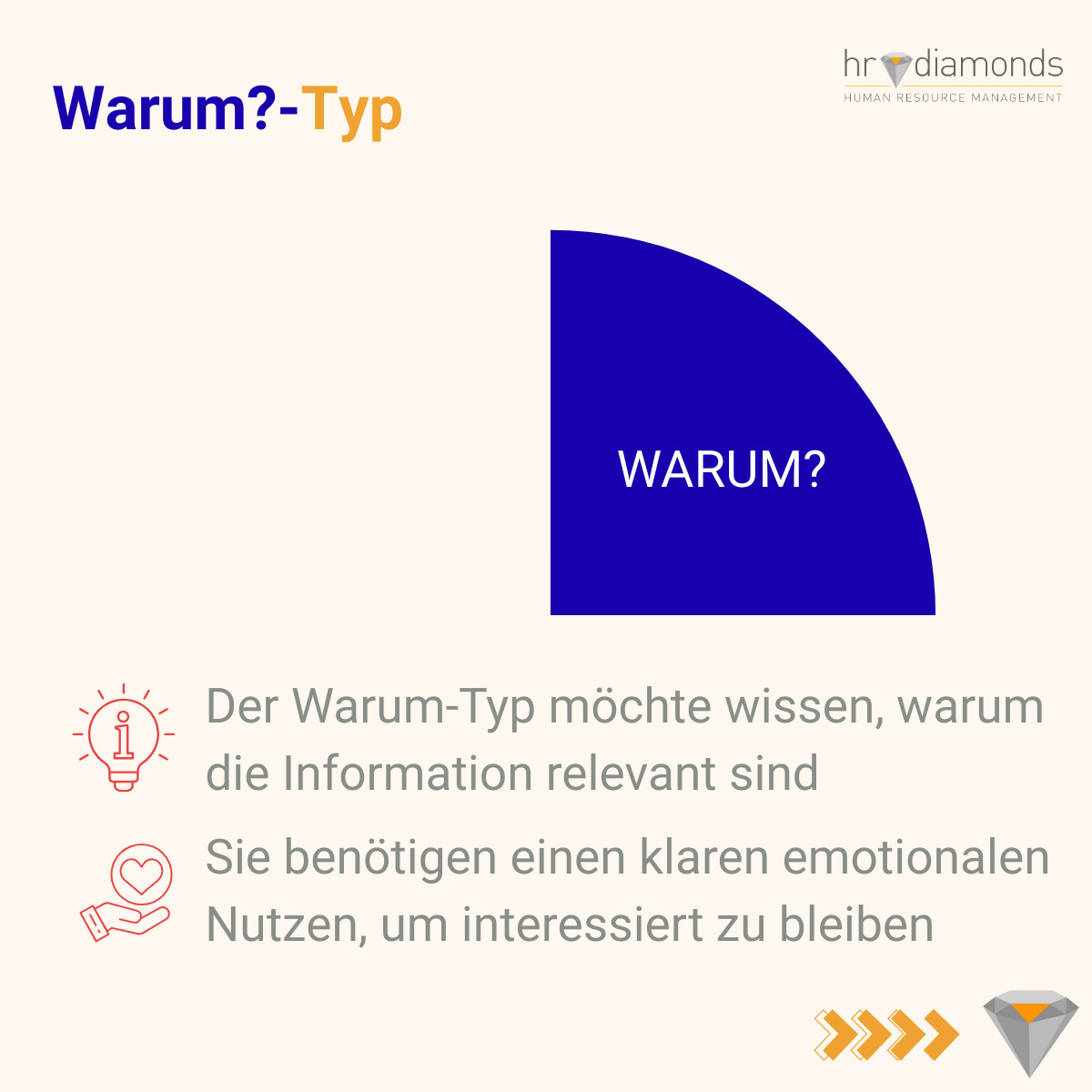
1) WHY? (Meaning)
Why is this relevant for us, for the team, for our customers?
> Without “why,” it remains a mandatory program.
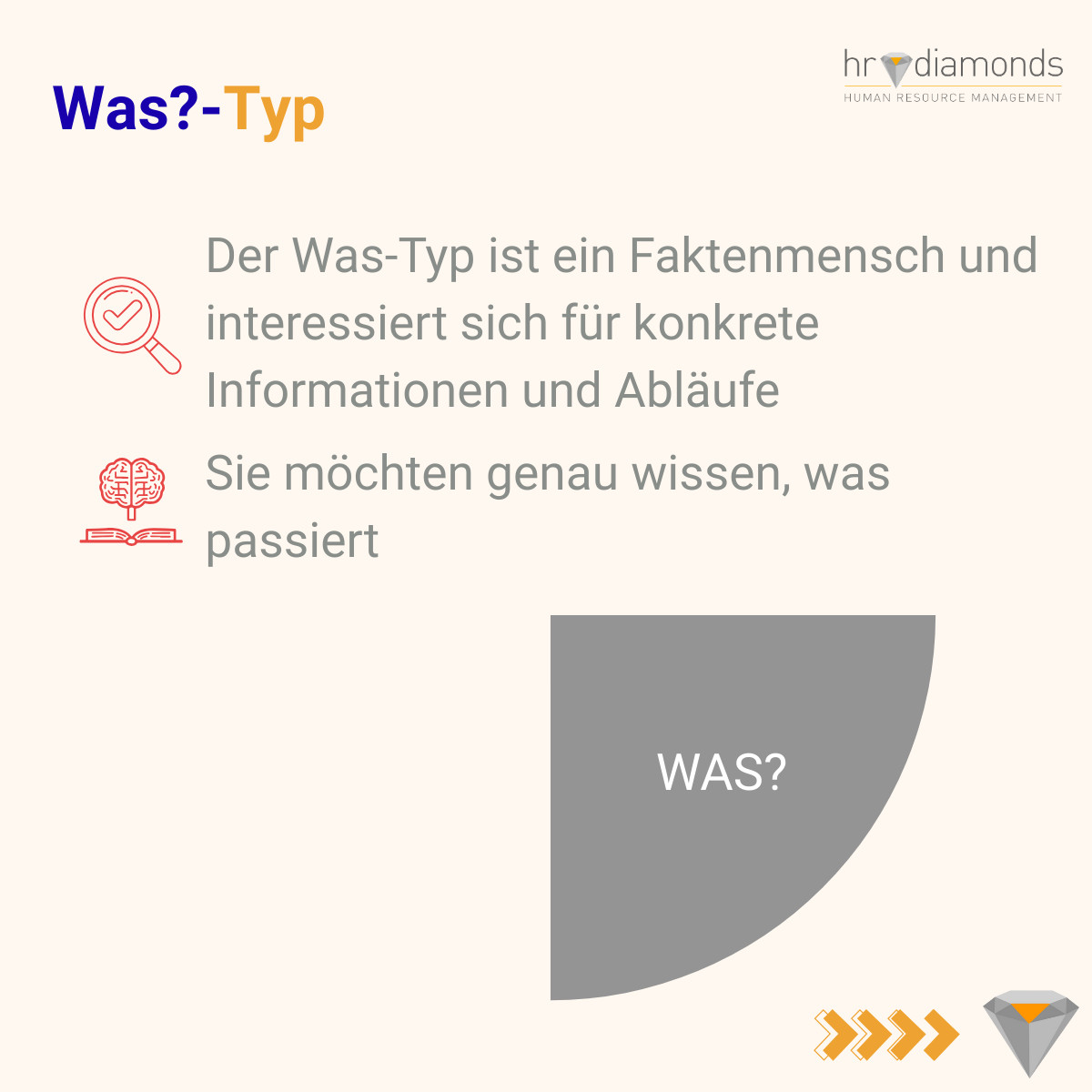
2) WHAT? (Understanding)
What are the facts, goals, and framework conditions?
> Without “what,” it remains vague and everyone interprets it differently.
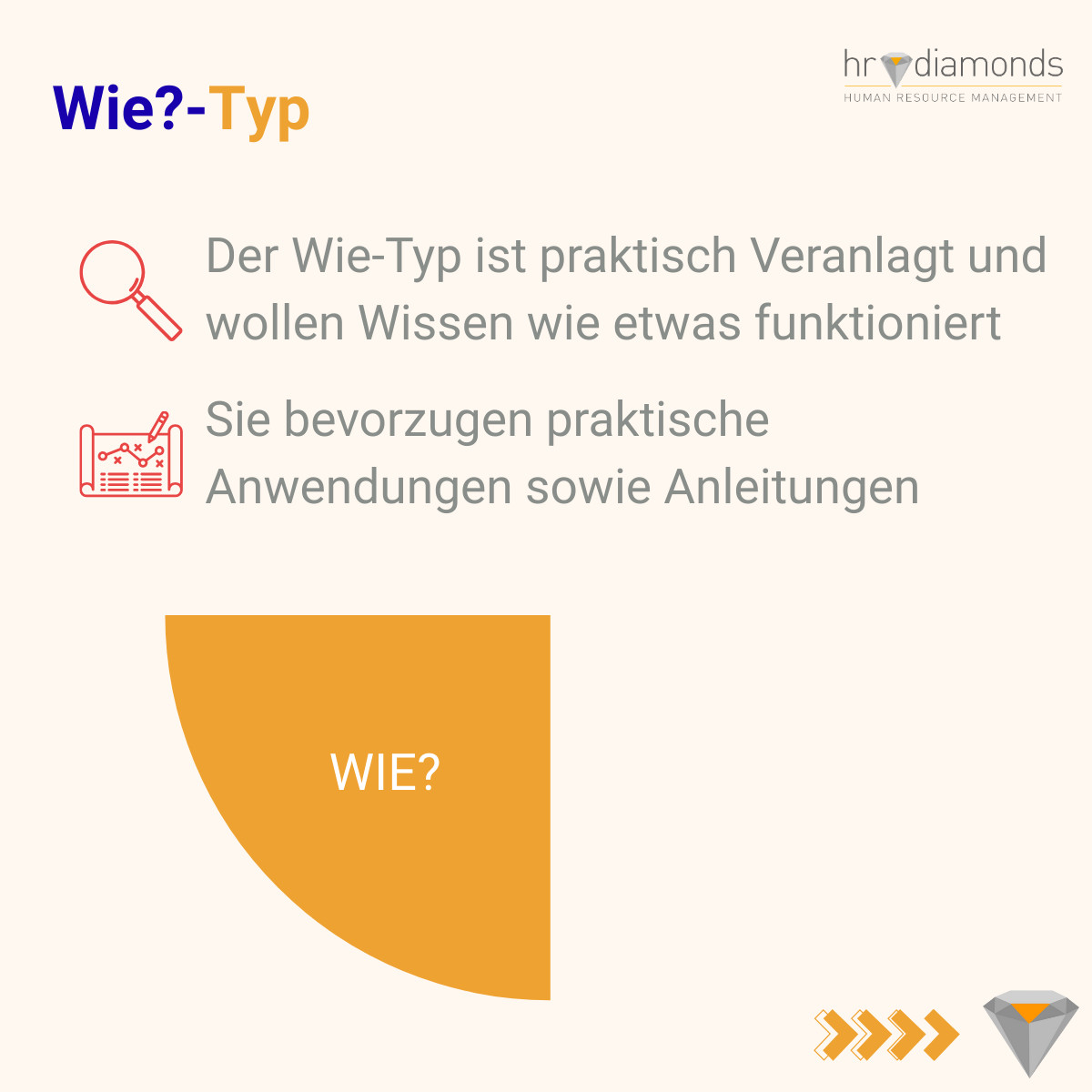
3) HOW? (Application)
How do we proceed in concrete terms? What are the next steps?
> Without “how,” it remains theory.
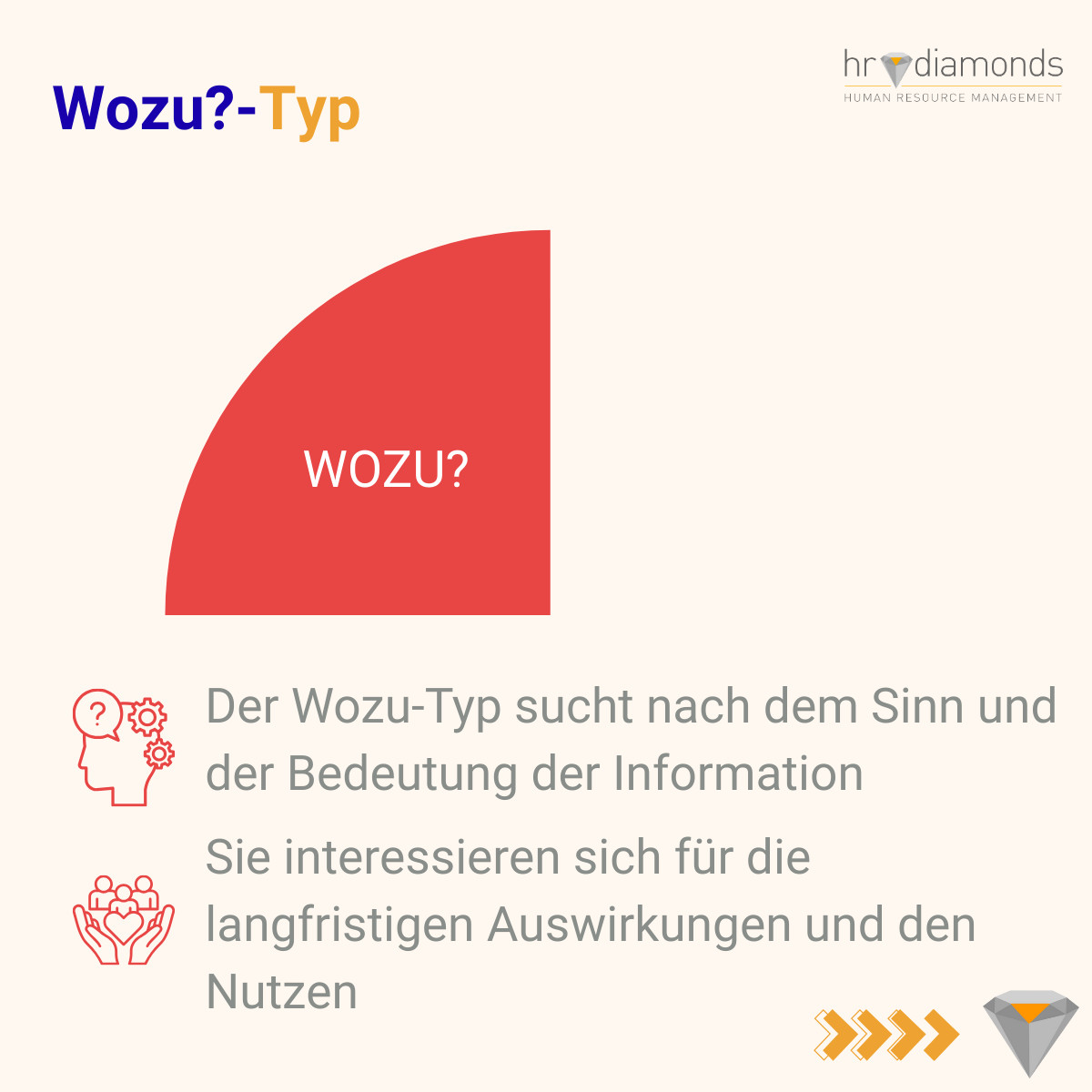
4) WHAT FOR? (Transfer)
What does this lead to? How does it change everyday life?
> Without “what for,” it fizzles out after the meeting.
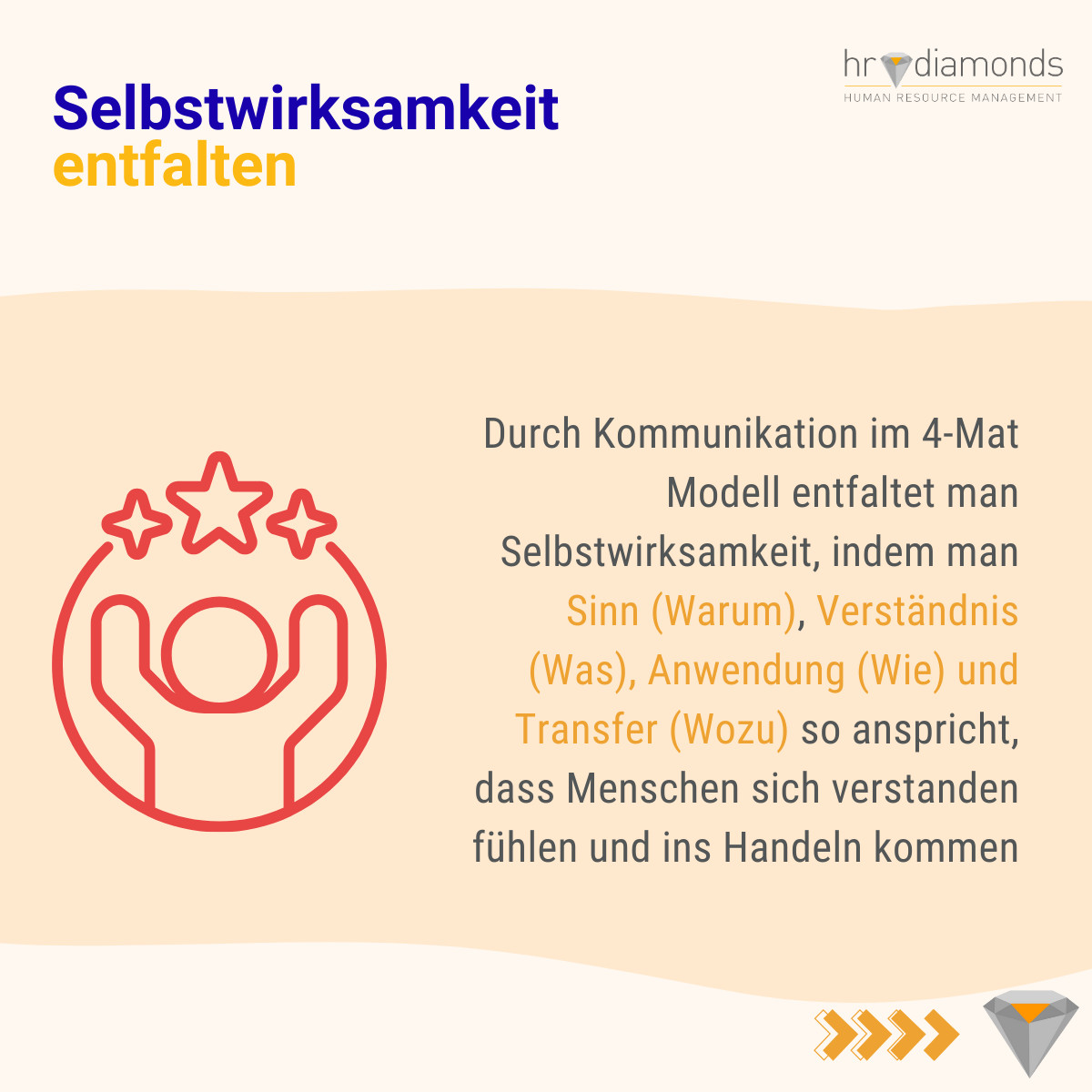
Why this strengthens self-efficacy
When all four levels are present, something crucial happens:
People feel understood, see meaning, gain clarity and are more likely to take action.
“?” becomes “I know what my contribution is.”
Mini hack for your next meeting
Simply start your agenda with these four headings:
Why – What – How – What for